

With video-driven learning, adaptive AI, and a sharp focus on clarity, this passionate advocate is helping students go beyond memorization to true mastery.
INTERVIEW | by Victor Rivero
 For over a decade, Scott Woodbury-Stewart has been on a mission to reinvent how students approach one of the most challenging standardized tests in higher education: the GMAT®. As founder and CEO of Target Test Prep, he’s blended deep content knowledge with visual learning, adaptive tech, and a personal touch to create a more effective—and less frustrating—path to success. At the heart of his approach is a belief that learning isn’t just about passing a test—it’s about building true conceptual understanding that lasts beyond exam day. In our conversation with him, Woodbury-Stewart shares how his team is helping students master complex ideas, ditch rote memorization, and unlock their full potential through smarter, more visual test prep.
What are the current biggest challenges students face in test prep today, particularly in retaining information through traditional study methods?
One of the biggest challenges students face in test prep is passive learning. Many students rely too heavily on over-practicing, memorization, or taking notes without actually engaging in the material, which can lead to difficulties recalling information on the actual test. Instead, students need to understand that strategy and mindset also play a large role in ensuring they truly understand concepts and patterns, giving them the opportunity to see where their mistakes come from and learn from them.
‘Many students rely too heavily on over-practicing, memorization, or taking notes without actually engaging in the material.’
To alleviate the over reliance on memorization and practice tests from traditional study methods, students are in need of better, smarter, and more effective support for their test prep journey, which includes the right tools and guidance to succeed. Each student is unique and learns differently, therefore the right support for one student may not work for another. Effective test prep programs truly connect with the student and provide a personalized, supportive approach that puts the students first and helps them truly understand the material.
How can video-driven learning experiences—like interactive tutorials—enhance comprehension of complex GMAT concepts while giving students a more flexible study approach they can do on their own time?
A recent study shows that 85% of students say video technology enhances their learning due to it being more flexible and accessible then traditional methods. Video-driven learning, like Target Test Prep’s OnDemand course which enhances comprehension of complex GMAT concepts by breaking down challenging topics, such as in the quantitative section, and providing a clear, step-by-step explanation to help students truly understand and solve difficult problems. By seeing problem solving techniques in action, students are better able to visualize and comprehend in a logical manner.
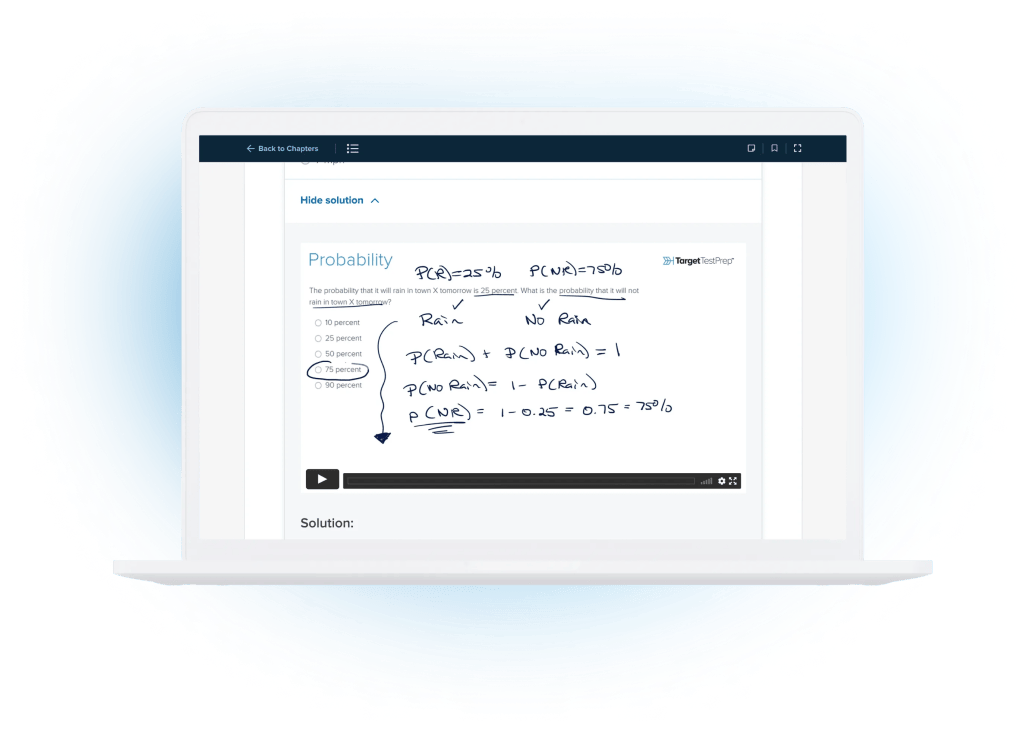
Video-driven learning has a greater ability to cater to different learning styles than traditional methods. Each student retains information differently, whether it be through reading, watching or doing. With the ability to provide interactive elements, like examples and walkthroughs, video-driven learning enables students to digest, apply, and master complex concepts at their own pace.
‘Video-driven learning has a greater ability to cater to different learning styles than traditional methods.’
Additionally, video-based learning offers students the flexibility to study on their own time, making for a more personalized approach for each individual student. Having the accessibility to pause and rewind, allows students the ability to fully grasp tough GMAT concepts on their own time, leaving them more confident when taking the actual exam.
With the rise of AI and adaptive learning, how can advanced UI/UX in video-based platforms personalize visual learning experiences to better adhere to students’ specific needs?
With the rise of AI and adaptive learning, advancements in UI and UX, specifically in video-based platforms, have the ability to personalize digital learning experiences based on students’ learning preferences, progress and performance to better cater to their learning styles and needs. Video-based platforms that integrate AI help to personalize test prep for each individual student, providing them with complete personalization over their GMAT study journey with access to AI tools that help build personalized study plans, recommendations, tutorials and instant assistance.
With real time analytics and AI-driven recommendations, platforms have the ability to personalize learning to each unique students such as by specifically providing:
- Identifying students’ weak areas and offering recommendations, such as different tutorials or lessons to help the student better understand a concept
- Providing interactive elements such as practice questions, quizzes and prompts to reinforce understanding
- Personalized study plans based on the students goal score, time to study and concepts they need to work on
- Providing assistance at students’ fingertips with live Q&As and tutors
With UI/UX, students are able to completely focus their attention on mastering their learning, rather than being overwhelmed with content and not knowing where to start. When combined with AI and visuals, students are given a more effective, efficient and personalized study plan than ever before.
How are emerging technologies being integrated into this space to help students grasp complex quantitative concepts more effectively?
Emerging technologies are transforming GMAT prep by making complex quantitative concepts more understandable and easier to master. Tools like AI, adaptive learning, and video courses help create a more personalized, effective approach for each student’s preferred learning method. Interactive learning tools, such as through video based learning, allow students to go over a problem step by step, breaking it down to make abstract concepts more tangible. With this tool, students can visualize problem-solving processes which improves their comprehension and ability to apply their knowledge on the actual exam.
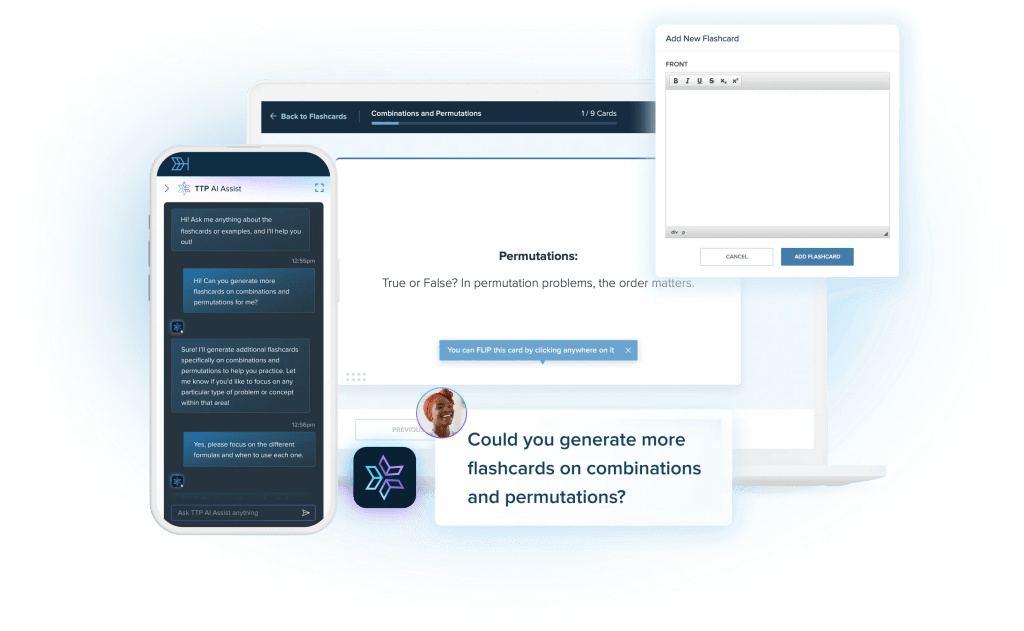
Data-driven performance tracking is also a great tool that identifies students strengths and weaknesses in real time. This helps them, as well as the platform, understand what they should focus on, recommending different lessons for areas that need the most improvement. AI-powered insights also help to enhance study efficiency and reinforce key concepts by consistently returning to the concept that needs additional work and moving on from ones that have already been mastered.
With these technological tools, students are able to truly understand difficult quantitative concepts and create a study plan that ensures they truly grasp concepts ahead of the test.
Have you seen measurable improvements in student performance when incorporating visual learning models into test prep strategies?
Through visual learning models, like Target Test Prep’s OnDemand, students are seeing real improvements in their study habits. The engaging, detailed content not only adds value to the course and students’ learning, but helps to offer a more personalized approach compared to simply reading the material. The visual component and added examples representing tough GMAT questions, offer students a much easier way to retain the information and break down difficult concepts.
‘Technological advancements are reshaping the future of learning, specifically in test prep, by making it more accessible and personalized.’
How do you see technological advancements changing the future of learning and test prep?
Technological advancements are reshaping the future of learning, specifically in test prep, by making it more accessible and personalized. The ability to integrate AI, adaptive learning and UI/UX into test preparation gives students access to the perfect combination of tools to personalize their experience so all they have to worry about is truly mastering the material. By personalizing a student’s experience they are able to focus on where they need to improve without worrying about the cognitive overload of resources and where to begin. As these technologies continue to evolve, we will begin to see more sophisticated tools that further cater to different learning styles. In AI specifically, this will likely be smarter, more personalized study plans, instant explanations to speed up learning, and AI tutoring for 24/7 support.
—
Victor Rivero is the Editor-in-Chief of EdTech Digest. Write to: victor@edtechdigest.com





0 Comments